

For many in eating disorder recovery, the table can feel like one of the hardest places to be. While an eating disorder isn’t truly about food, the fear, shame, and power it assigns to eating can make mealtimes stressful or even overwhelming. At Charis Eating Disorder Care, we use a simple, powerful practice to help shift this: the Claim and Honor system.

Claim your food: Recognize each item on your plate for what it is—fuel. Proteins, fats, carbohydrates, and vegetables all have a purpose: to nourish and sustain life. Pause and invite God into the moment by asking His blessing over the meal.
Honor your food: After eating, take a moment to acknowledge what the food did for your body—energy, strength, healing, or even joy. This reframes eating as an act of care rather than fear.
One patient explained it beautifully at a recent dinner gala:
“Claiming my food for its fuel group and asking the Lord’s blessing helped remove the fear and power the eating disorder tried to place on it. Honoring it afterward made me see the truth behind each bite—it nourishes, sustains, and strengthens me. This simple practice helped quiet my fears and shine the light of truth on recovery.”

God designed our brains with incredible adaptability—neuroplasticity. This means our brains can change, form new connections, and rewire over time. In recovery, our brains need this rewiring to replace fear-based thoughts around food with truth-based ones.
Claiming and honoring food works with this natural brain design:
Claiming removes fear and anxiety by consciously identifying the purpose of food.
Honoring reinforces positive neural pathways, helping the brain associate eating with nourishment, gratitude, and trust instead of guilt or shame.
When paired with prayer and mindfulness, it combines spiritual and neurological healing—exactly the way God designed us.

Claim: Salmon for protein, cream sauce for fat, potatoes and roll for starch, broccolini and salad for vegetables, chocolate cake for starch and fat.
Honor: Salmon for iron, cream sauce for wound protection, potatoes for blood sugar balance, roll for energy, broccolini for potassium, salad for fiber, chocolate cake for brain function, vitamin absorption, and yes—joy.

Look at your plate and identify each food by its fuel group.
Pause and offer a blessing or a moment of gratitude over the meal.
Eat with intention, recognizing that each bite serves a purpose.
After eating, name what the food did for your body—honor its role in nourishment.
This practice can turn meals from stressful moments into opportunities for truth, gratitude, and healing. It helps reclaim power from the eating disorder and celebrates how food sustains us—body, mind, and spirit.
For families, caregivers, or anyone supporting someone in recovery, this is a simple tool to bring to the table. You can also download a Claim and Honor placemat from our resource page to guide your meals and make this practice even easier at home.
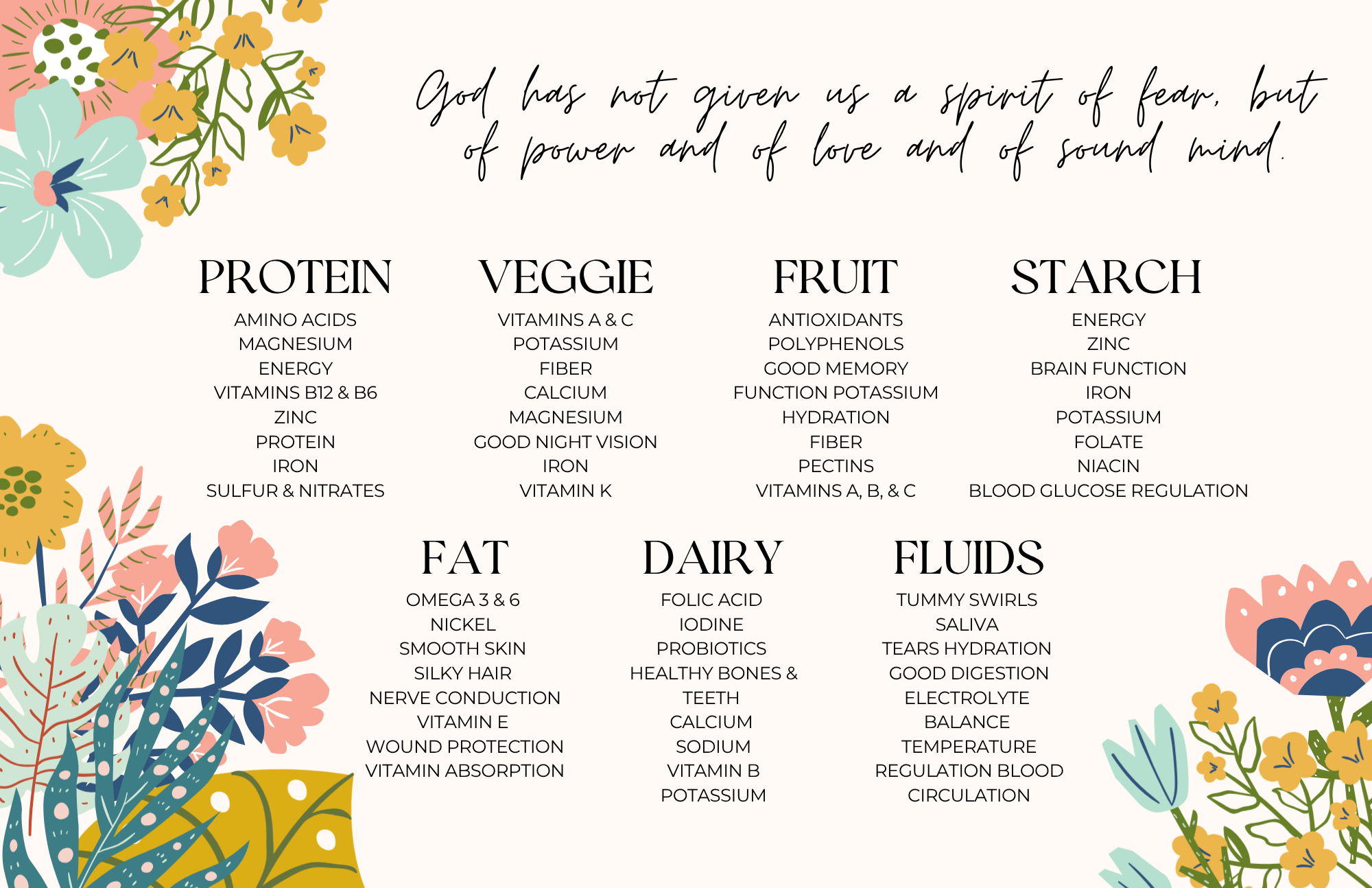
Placemat Example